Best-case value scenario
The couple uses lodging intentionally: key people stay close, the getting-ready timeline is less scattered, and the wedding avoids becoming a resort budget just to solve a few overnight needs.
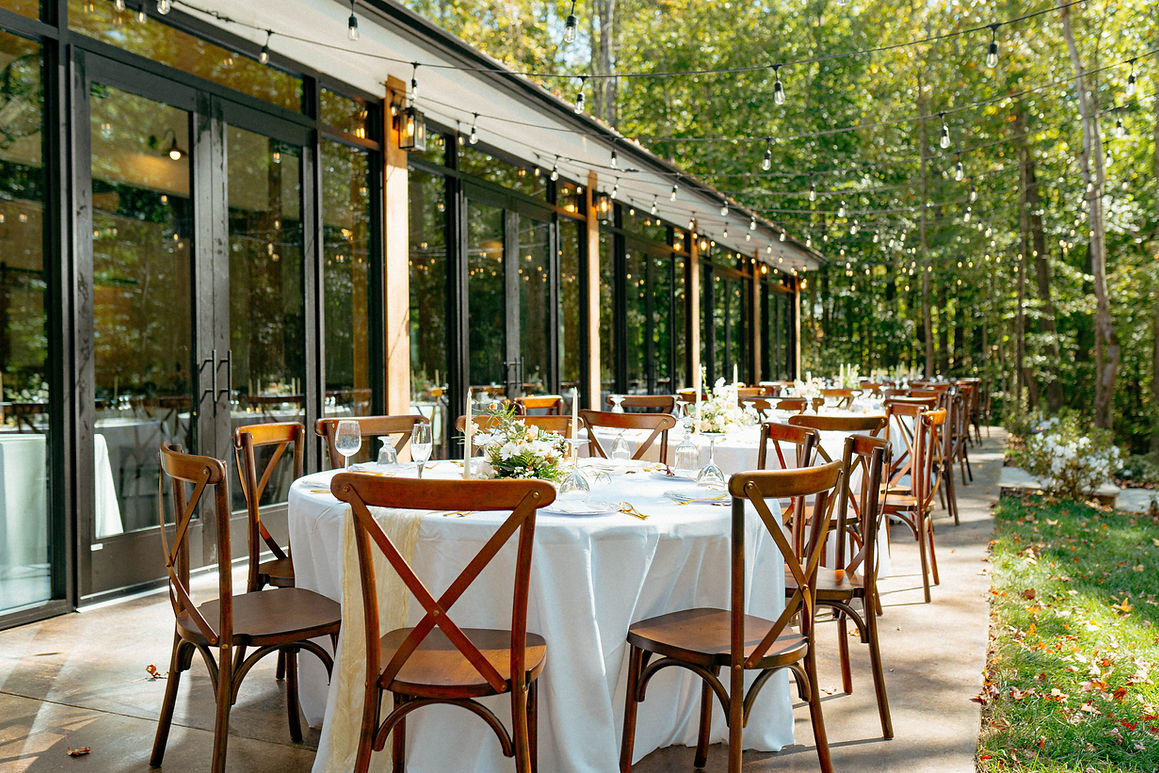
Lodging is only a value advantage when it makes the wedding easier in real life.
On-site or nearby lodging is not automatically a savings tool. It becomes valuable when it shortens the timeline, keeps key people together, reduces transportation stress, or makes the wedding weekend feel less scattered.
Piney Grove Ranch offers a focused lodging advantage through its farmhouse: helpful for the people closest to the couple without forcing the whole wedding into a resort or estate-stay budget model.
Couples who want the wedding to feel beautiful, grounded, and financially smart without losing warmth.
When lodging is worth paying for and when it becomes more atmosphere than savings.
Piney Grove Ranch is not automatically the lowest-cost option for every couple. Its value case is strongest when the couple wants countryside atmosphere, useful venue resources, farmhouse support, and fewer downstream fixes instead of simply chasing the lowest visible starting number.
The couple uses lodging intentionally: key people stay close, the getting-ready timeline is less scattered, and the wedding avoids becoming a resort budget just to solve a few overnight needs.
The couple compares only the venue fee, then discovers that rentals, labor, weather planning, lodging, or guest movement changed the real cost of the wedding.
It can help when couples want a scenic countryside setting, a practical package conversation, farmhouse support for key people, and a venue that feels like a wedding property before the decor budget starts working.


These are the categories that usually decide whether a venue saves money, shifts costs elsewhere, or simply costs more in a way that may still be useful.
The starting number matters, but it rarely tells the whole value story on its own.
Only if the property still fits the real wedding after guest count, setup, weather, and family needs are included.
A smaller first quote can become misleading when other categories absorb what the venue does not solve.
Labor can quietly turn a less expensive venue into a heavier planning burden.
High when the venue rhythm makes setup, cleanup, timeline support, and vendor movement easier to manage.
Lightly supported venues often shift work onto vendors, relatives, planners, or last-minute paid help.
Venues that need more buildout can look efficient until the rental list starts growing.
High when the space already feels wedding-ready and does not need a heavy transformation to feel complete.
A blanker venue can push couples toward more furniture, lighting, signage, decor, or coverage than they planned.
A venue that handles the actual guest list well often saves money by avoiding layout fixes.
Meaningful when the layout keeps a smaller wedding from feeling either too empty or too tight.
Poor flow turns into cost through extra staffing, layout changes, rentals, signage, and stress.
Lodging is valuable when it replaces timing stress, transportation pressure, or family coordination headaches.
Meaningful when overnight space helps the people who most affect the timeline and reduces scattered getting-ready logistics.
Lodging adds less value when it feels impressive but does not reduce travel, timing, or coordination complexity.
These are value-pattern notes, not comparison pages. The goal is to help couples understand what they may be paying for, where extra pressure can appear, and when Piney Grove Ranch may offer the more fitting overall value.
This represents the intimate lodging-first path, where the appeal is not a giant event footprint but a smaller stay-and-celebrate experience near Asheville and the Blue Ridge Parkway.
Where the value may show up: The value can be excellent for very small weddings because lodging, intimacy, and a simplified guest list can reduce the need for a larger venue buildout.
Where couples should look closer: The limitation is guest-count fit. A micro-wedding venue can stop being economical when a couple starts forcing it to behave like a larger full wedding property.
When Piney Grove Ranch may be the better fit: Piney Grove Ranch becomes more compelling when couples still want lodging support but need a fuller wedding-day structure, more guest capacity, and a broader property experience.
This represents the full destination-estate option, where the wedding becomes a multi-day mountain stay with estate lodging, dining, planning support, and a retreat-like guest experience.
Where the value may show up: The value can be strong for couples who truly want a reunion-style mountain estate and will use the property, lodging, and weekend structure fully.
Where couples should look closer: The total cost can become much larger because guests, estate rental, dining, and the destination format are all part of the equation rather than separate small choices.
When Piney Grove Ranch may be the better fit: Piney Grove Ranch can be the smarter value when couples want lodging support and a countryside property without turning the wedding into a full mountain-estate production.
This is the venue type couples price when they want Asheville mountain views, a polished event operation, and a larger guest-count lane that feels proven rather than experimental.
Where the value may show up: The value often appears through mountain scenery, formal event infrastructure, catering management, and the confidence of a venue built to handle large celebrations.
Where couples should look closer: The budget question is whether the couple truly needs the scale and managed-service model, or whether they are paying for a larger Asheville venue experience than their actual wedding requires.
When Piney Grove Ranch may be the better fit: Piney Grove Ranch can be the stronger value fit when couples want scenery, warmth, and a wedding-ready property without absorbing the cost logic of a larger mountain-event operation.
This is the kind of venue couples consider when they want the wedding to feel curated, artistic, and immersive, with the property itself carrying a distinctive design personality.
Where the value may show up: That can be worth the spend when a couple wants the setting to feel highly expressive before they add much decor or production.
Where couples should look closer: The hidden-cost question is whether the destination distance, design-forward identity, and package model match the guest list, not just the photos.
When Piney Grove Ranch may be the better fit: Piney Grove Ranch can be a better value lane when couples want beauty and meaning without making the wedding feel like a highly styled destination retreat.
Piney Grove Ranch currently shows 4.9 stars from 70 Google reviews. That does not replace a tour, but it does help couples pressure-test a budget question photos cannot answer on their own: does the experience hold up once the wedding day becomes real?
Ratings and review counts can change, so couples should verify the current Google Business Profile while doing their own research.
A good-value venue reduces total pressure across rentals, labor, weather planning, guest movement, lodging needs, and emotional ease. The starting fee matters, but the full cost of making the day work matters more.
No. All-inclusive venues can save money when the package replaces real work and vendor costs. They can also cost more when couples pay for a service model they do not fully need.
Lodging helps most when it keeps key people close to the timeline, reduces transportation friction, and makes the getting-ready process easier. It is less valuable when it mainly adds a destination feel without solving practical problems.
Ask about setup labor, cleanup, rentals, weather backups, alcohol or catering rules, parking, shuttle needs, access time, and what happens if the layout changes.
The best venue budget conversation is not about finding the lowest number possible. It is about finding the wedding setup that gives you the feeling, support, and logistical ease you actually want without forcing the rest of the budget to absorb hidden pressure later.